Keeping Drains Moving Between Pump-Outs
Pumping empties the tank, but what you do the other twenty-nine days decides how fast it fills again.
October 20, 2026 · 4 min read
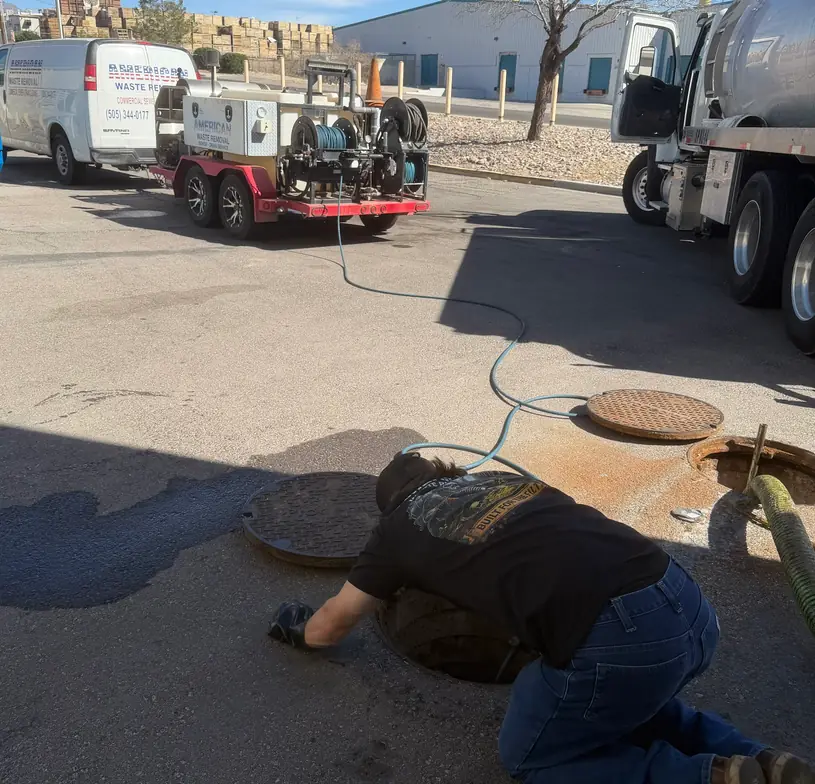
A pump-out is a reset button. The grease trap, interceptor or septic tank goes back to empty, and then the clock starts again. What happens in the weeks that follow depends on what goes down the drain, and on whether anything is working to keep the lines clean while the tank refills. A few simple habits and one good maintenance product can make the next interval easier.
Start with what goes in
The cheapest drain maintenance there is happens before anything reaches the drain. In a commercial kitchen, a few rules do most of the work:
- Scrape every plate, pan and tray into the trash before washing. Food that reaches the sink ends up in the trap.
- Keep strainers in every sink, and empty them into the trash at the end of the shift.
- Never pour fryer oil or pan grease down a drain. Let it cool, then send it to a grease bin or rendering container.
- Wipe greasy pans with a paper towel before they hit the water.
- Keep hot water from carrying melted fat into the line. Fat that's liquid in the sink is solid ten feet down the pipe.
At home with a septic system the list is similar. Keep grease and coffee grounds out of the kitchen sink, put only toilet paper in the toilet, and be careful with how many loads of laundry go through in a single day.
Why lines get slow even when you're careful
Even a careful kitchen puts some grease into the water. Soap, sauces and the small amounts left on dishes all carry fat. Over time it forms a film on the pipe walls, then mixes with food particles and builds into a sludge that narrows the line. You never see it happen, and then one day the drain is slow.
That film is where drain treatments earn their place. Instead of waiting until the buildup closes the line and calling for a rooter, you can keep the film from forming in the first place.
What a treatment like Total C does
Total C is a concentrated drain line and grease trap maintenance treatment. It combines natural citrus liquefiers, active enzymes and oil-eating bacteria. The citrus helps liquefy fats so they move instead of clinging. The enzymes and bacteria work on the grease and organic waste that stays behind, breaking it down so it doesn't harden into sludge. It's safe for pipes and safe for septic systems, and it has a citrus scent, which isn't a bad thing to have in a kitchen.
Used regularly, it can help prevent backups and slow drains, reduce odors, and extend the life of your plumbing and traps. It also keeps the trap in better condition between visits, which makes the next pump-out go more smoothly.
What a treatment can't do
It's worth being straight about the limits. Total C is maintenance, not a replacement for pumping. A grease trap that is full still has to be pumped, because the treatment doesn't make the tank bigger. It also can't repair a cracked pipe, clear a root mass or fix a belly in the line. If a drain is completely stopped, it needs a rooter or a hydro-jetter, and if it keeps stopping, it needs a camera. Think of the treatment as the thing that keeps a clean line clean.
A simple routine
Here is what a workable schedule looks like for most kitchens, which you can adjust with your service crew:
- Daily: strainers in, plates scraped, fryer oil to the bin.
- Weekly: dose the drain lines with your maintenance treatment, ideally at the end of the night when the lines will sit unused for several hours so the product has time to work.
- Monthly: lift the trap lid and look. Note the date and how full it is.
- On schedule: pump-out by the interval you've set for your kitchen, usually somewhere between one and six months.
For a septic system, the weekly dose still helps, the monthly look becomes a glance at the drain field, and the pump-out interval is typically every two to three years.
Training the crew
Most grease problems in kitchens come down to habits, and habits come from training. A short note taped above the dish sink, five minutes at the start of a new hire's first week, and a manager who actually checks the strainers will do more than any product. People follow the rules when they understand what a full trap costs the kitchen.
Getting Total C from AWR
American Waste Removal sells Total C to our customers. If you'd like a bottle, or want to talk about a maintenance routine for your kitchen or septic system, call us at (505) 344-0177.
American Waste Removal, (505) 344-0177
Call (505) 344-0177More articles
How Often Does a Commercial Grease Trap Need Pumping?
Every one to six months is the usual range, and where your kitchen lands depends on what goes down your drains.
Grease Trap vs. Grease Interceptor: What Each One Does
Both keep grease out of the sewer, and both do it only until they're full.