How Often Does a Commercial Grease Trap Need Pumping?
Every one to six months is the usual range, and where your kitchen lands depends on what goes down your drains.
October 20, 2026 · 4 min read
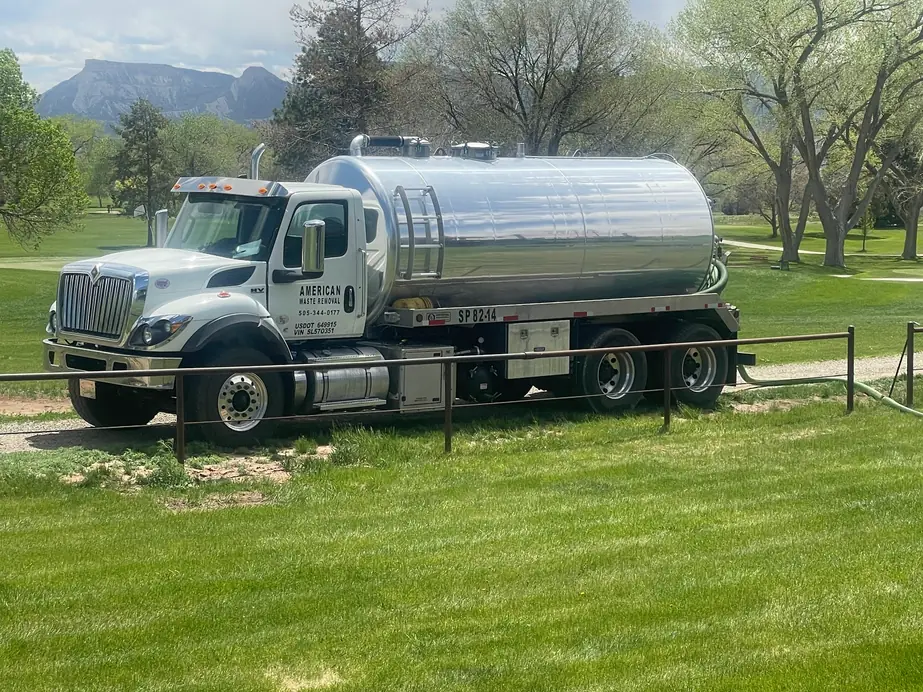
Ask ten kitchen managers how often their grease trap gets pumped and you'll get ten different answers. Some say every month. Some say whenever somebody notices a smell. A few can't remember the last time anyone looked. The honest answer is that it depends on the kitchen, but the range is narrower than you'd think. Most commercial grease traps should be serviced every one to six months, and where yours falls comes down to a handful of things you can check yourself.
What sets your pumping schedule
A grease trap is a holding tank. Wastewater from your sinks and floor drains flows in, slows down, and the fats, oils and grease float to the top while heavier solids settle at the bottom. Once the tank is full of that material, it has no room left to do its job. So the real question is how fast your kitchen fills it. Four things drive that:
- Kitchen size and trap capacity. A small trap under a three-compartment sink fills much faster than a large interceptor serving a full cook line. A trap that is too small for the kitchen will always be on the short end of the schedule.
- Cooking volume. A restaurant turning hundreds of covers a day sends far more fat down the drain than a coffee counter with a sandwich menu. Busy weekends and catering events count too.
- The kind of food you cook. Fryers, griddles, barbecue, bacon, rendered meats and heavy sauces put a lot of grease into the water. Salad bars and steamed menus put much less. Dishwashing habits matter as well, since hot water carries grease into the trap that would otherwise cling to the pots.
- Local requirements. Many cities and sewer utilities set their own cleaning intervals for food service businesses, and some require records. Call your municipality and ask what applies to your address before you settle on a schedule.
Put those together and a small cafe might do fine with a pump-out every few months, while a high-volume fry kitchen could need service monthly. Neither one is doing anything wrong. They're just filling at different speeds.
Signs your trap is due
A schedule is the goal, but while you're finding the right rhythm, your kitchen will tell you when the trap is full. Watch for these:
- Sinks and floor drains that drain slowly, especially the pot sink and the mop sink.
- A sour or rotten smell near the trap, the drains, or the back door where the lid sits.
- Gurgling in the lines when the dish machine empties.
- Grease that you can see sitting thick on the surface when you lift the lid, or a cap of hardened fat that doesn't break up.
- Water backing up into a floor drain at the end of a busy night.
- A notice from the city or an inspector about your cleaning records.
If you see any of these, don't wait for the next scheduled visit. A full trap doesn't fix itself, and it gets worse every service day.
Why waiting costs more than pumping
It's tempting to stretch the interval, because pumping is a line item that shows up on the books and a backup doesn't until it happens. But a trap that stays full pushes grease past the baffle and into your building's lines, where it cools, hardens and narrows the pipe. Now you aren't just paying for a pump-out. You're paying for line clearing, possibly a closed kitchen on a Friday night, and a conversation with an inspector. Kitchens that run a regular preventive schedule almost always spend less over a year than kitchens that call only when the floor drain is overflowing.
There's a second reason. A trap holds grease, but it does not remove it. Every bit of fat that came in is still sitting in that tank until a truck takes it out. Pumping is the only way it leaves.
How to find your right interval
If you're not sure where to start, start short and stretch carefully. Have the trap pumped, then check it at a few weeks, and again a few weeks after that. Lift the lid and look. If it's a quarter full at the one-month mark, you can probably go longer. If it's already half full, your interval needs to be shorter than that. Write down what you find each time with the date. After two or three checks you'll have a schedule based on your own kitchen instead of a guess.
Changes in your operation should trigger a fresh look. A new fryer, an expanded menu, a patio that doubles your seating, a catering contract: any of these can fill the trap faster than it did last year. And a seasonal business may want a different interval in the busy months than in the slow ones.
Keep good records
Whatever schedule you land on, keep the service receipts in one place. If your city or an inspector asks when the trap was last cleaned, a folder of dated receipts answers the question in ten seconds. Ask the crew to note the condition of the trap when they pump it, since that is the best evidence for adjusting your interval up or down.
Setting up a schedule with AWR
American Waste Removal has been serving New Mexico, Southern Colorado, Eastern Arizona and West Texas since 1978, and grease trap and interceptor pumping is a big part of that. We'll look at your trap, talk through your cooking volume and menu, and help you set a preventive maintenance schedule that matches how fast your kitchen actually fills it. If you've got a trap overflowing right now, our emergency line runs around the clock. Call (505) 344-0177.
American Waste Removal, (505) 344-0177
Call (505) 344-0177More articles
Grease Trap vs. Grease Interceptor: What Each One Does
Both keep grease out of the sewer, and both do it only until they're full.
Hydro-Jetting vs. Snaking: Which Does Your Drain Need?
A snake pokes a hole through a clog. A jetter scrubs the pipe wall, and a camera tells you which one you need.